Interior design
Kitchen Countertop Overhangs and Toe Kicks Explained
Introduction
Good kitchen design is often defined by details that go unnoticed when done correctly. Countertop overhangs and toe kicks are two such elements that directly affect comfort and functionality.
While they may seem minor, improper dimensions can lead to awkward seating, fatigue, and inefficient use of space.
Countertop Overhangs
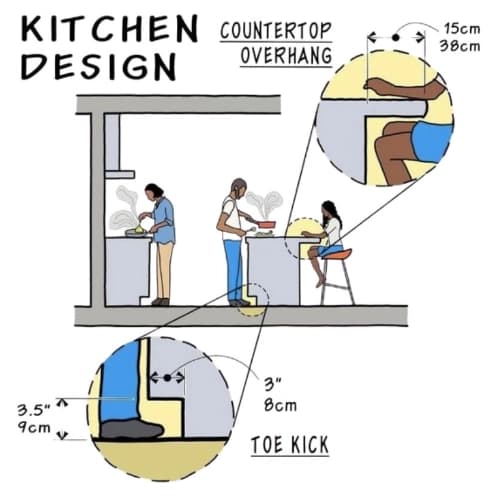
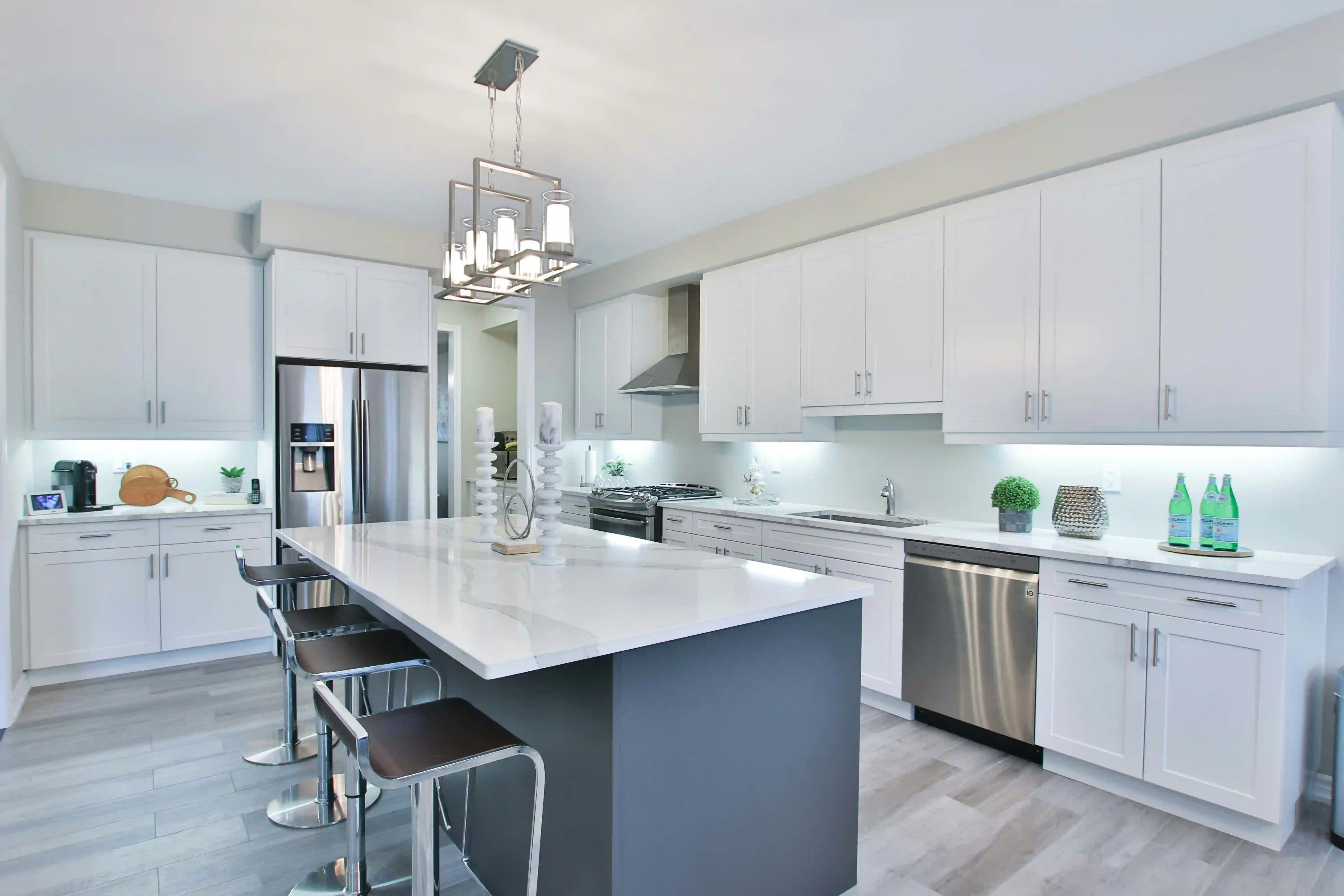
A countertop overhang allows stools to tuck in and provides legroom for seated users. This is especially important at kitchen islands used for casual dining or work.
Standard overhang dimensions are carefully balanced to provide comfort without compromising structural support or circulation space.
Toe Kicks
Toe kicks create recessed space at the base of cabinets, allowing users to stand closer to the counter without leaning forward. This reduces strain during food preparation and cleaning.
Consistent toe kick height and depth improve ergonomics and contribute to a clean, intentional visual line throughout the kitchen.
The Bottom Line
Countertop overhangs and toe kicks are essential ergonomic tools, not decorative extras. When designed correctly, they make kitchens more comfortable, efficient, and user friendly.
Attention to these details ensures the kitchen supports daily use rather than working against it.